
Air Canada pet cabin checklist: before you book
Use an Air Canada pet cabin checklist to confirm a pet space, the right carrier for each aircraft, suitable seating and the agent check-in plan.
 Kourosh Ebrahimzadeh5 min read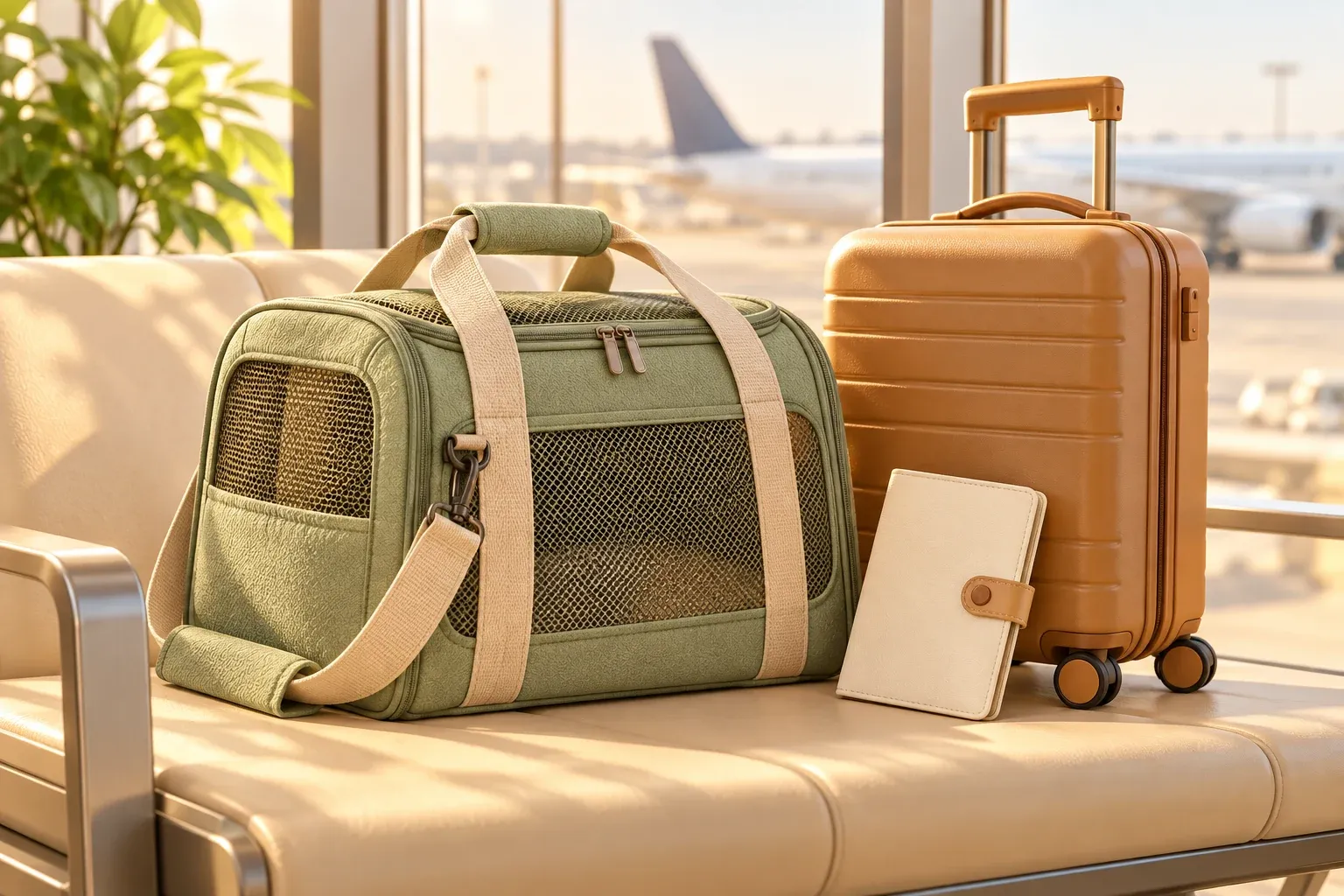
A passenger booking doesn’t confirm a place for your pet. Cabin space and the carrier that fits it need their own checks.
For a cat or small dog, confirm space with Air Canada Reservations. Choose a flexible soft-sided carrier that fits each aircraft and cabin, and plan to check in with an agent. Air Canada’s pet travel policy requires advance pet registration; an unregistered pet will not be accepted at the airport.
What should you check about the flight and seat first?
Check who operates every flight and whether your chosen cabin and seat can accommodate a pet. An itinerary sold by Air Canada can include another airline, whose pet policy needs checking directly. Read the operating-carrier details for the connections as well as the longest flight.
Air Canada’s cabin policy excludes pets in Premium Economy and in exit or bulkhead rows. It also excludes cabin pets when a passenger needs an under-seat medical device. Discuss the specific seat and any accessibility requirements with the airline before assuming the space is available.
The airline says cabin pets generally must be at least 10 weeks old and fully weaned, with requirements for certain international destinations listed separately. Ask Reservations to confirm your pet’s eligibility for the route.
Write down the aircraft and cabin for each leg to determine the carrier limits. If you are leaving from Toronto Pearson and connecting elsewhere, confirm the onward flight too. Check the operating airline’s acceptance requirements for every connection.
How do you confirm a cabin space for your pet?
Book your passenger flight, then contact Air Canada Reservations to register the pet on the same flights. The airline asks for the carrier’s dimensions and the pet’s weight and breed. Have those details ready, along with the booking reference.
Air Canada recommends registering the pet within 24 hours of completing the passenger booking. Its policy says that if the pet cannot be accommodated on the selected flights and dates during that period, the ticket will be refunded without charge. After that period, applicable change and cancellation terms govern changes. Check the policy and your own booking with Reservations before relying on that provision.
Ask the agent to confirm each flight and explain how you can check the pet reservation later. Keep the confirmation with the itinerary. Before paying for other non-refundable travel services, confirm any uncertain pet arrangements.
Which carrier fits the aircraft and your pet?
The carrier must meet the requirements for your aircraft and cabin, while giving your pet room to stand, turn around and lie down comfortably. Air Canada requires a flexible soft-sided carrier; its published policy-change notice confirms that the cabin change took effect on June 1, 2025.
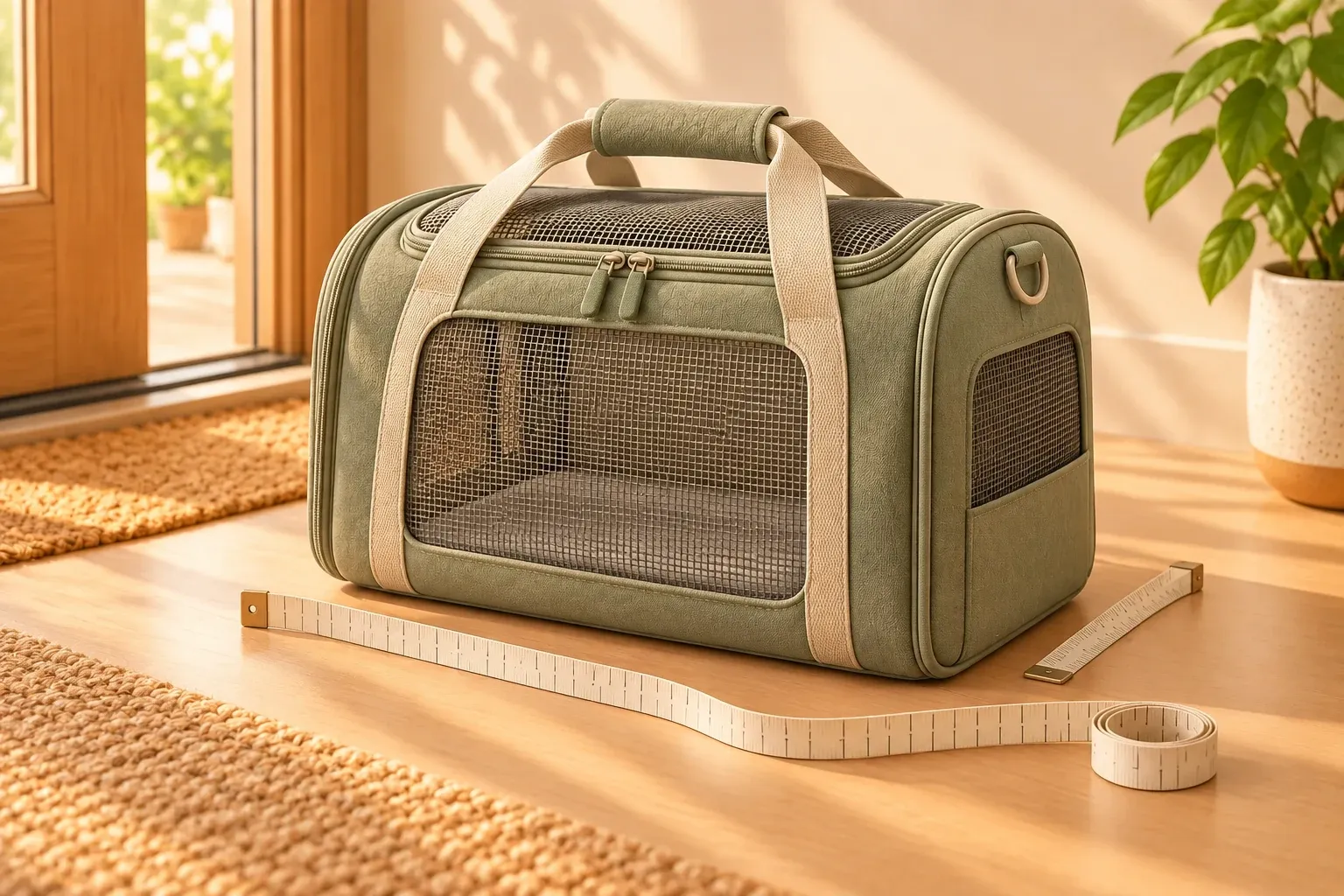
Use the aircraft-and-cabin chart on the current pet page. Its listed widths, lengths and heights differ, including for some Business Class seats. Check the applicable row for every flight and measure your actual carrier, including the parts that affect its fit.
The pet page also excludes backpack carriers with hard plastic windows. A bag marketed for air travel may still have an unsuitable construction. Check both its design and its dimensions before buying it, and allow your pet time to become familiar with the carrier before travel.
Air Canada requires the pet to remain in the closed carrier under the seat in front of you. If your pet cannot fit comfortably within the applicable carrier limits, contact the airline and your veterinarian to discuss a suitable travel arrangement.
What belongs in an Air Canada pet cabin checklist?
Record the pet confirmation, applicable carrier limits and check-in arrangement for each flight. A row per leg lets you spot an unconfirmed connection and recheck it after a booking change.
| Flight leg | Operating airline and cabin | Pet registration | Carrier check | Agent check-in plan |
|---|---|---|---|---|
| Outbound departure | Copy from the current itinerary | Record confirmation | Match the relevant aircraft/cabin chart | Airport and arrival time |
| Outbound connection, if any | Check the onward operator | Confirm the onward arrangement | Check any different limits | Ask where to check in next |
| Return departure | Verify the return details separately | Record return confirmation | Recheck the assigned aircraft | Plan the return airport arrival |
| Return connection, if any | Check the final operator | Confirm the final arrangement | Check new aircraft limits | Confirm the transfer arrangements |
Air Canada says passengers travelling with pets must see an agent and cannot check in online or at an airport self-service kiosk. It asks them to arrive 30 minutes before the flight’s recommended check-in time. Start with the recommendation for your particular airport and route, then add that time.
Keep the booking reference and pet details accessible when you reach the counter. Confirm current charges with the airline rather than budgeting from an old screenshot or assuming they are already included in the passenger ticket.
What happens if your booking or aircraft changes?
Contact Reservations to check the pet arrangement whenever the flights change. Air Canada says that when you change a booking online or through a travel agent, you must contact Reservations immediately afterward to change the pet reservation too. Its own call-centre agent can handle both when making the change.
Then revisit the flight-by-flight checklist. Reconfirm the operator and cabin, and compare the carrier with the limits for the aircraft now shown. A change that looks minor for a passenger can affect pet space or the available under-seat dimensions.
Keep the revised confirmation with the revised itinerary. Remove obsolete copies from the travel folder you will use at check-in, so another person helping with the trip doesn’t read the previous flight numbers.
Which documents should stay separate from the booking check?
Keep the airline reservation and destination entry documents in separate, clearly labelled parts of the same travel file. Air Canada’s government-regulations section warns that local veterinary certificates may not be sufficient for destination inspections. Ask the relevant authorities what your exact route requires.
Our pet travel document guide helps distinguish the different documents. The vaccine-records travel guide covers organizing the health file, while moving abroad with a dog addresses the broader relocation process. Keep those documents with your pet health records, and confirm that each is current for the journey.
Where Dana fits
Dana Pro’s Records Vault can keep copies of your pet’s travel documents. Dana does not reserve airline pet space or certify entry eligibility. Keep the Air Canada pet cabin checklist with the confirmed itinerary and contact the airline and destination authorities about outstanding requirements.
Questions people ask
Can two pets share one passenger's cabin allowance?
Air Canada's cabin policy allows one cat or small dog per passenger. Confirm availability and eligibility with Reservations for each pet and each flight.
Is a hard-sided carrier still accepted in the cabin?
Air Canada requires a flexible soft-sided carrier for cabin pets. Its policy change took effect on June 1, 2025; checked-baggage kennel rules are different.
Does an airline-approved label on a carrier guarantee acceptance?
No. Air Canada's requirements vary by aircraft and cabin, and your pet must have enough room inside. Confirm the applicable dimensions and carrier design for your exact flights.
Does a pet reservation replace destination entry documents?
No. Pet space on a flight and permission to enter the destination are separate requirements. Check the destination's official rules and prepare the documents required for that route.