
Toronto off-leash dog park rules: before you open the gate
Check Toronto's off-leash boundaries, control and cleanup rules, plus the handoff details a walker needs before taking your dog to a park.

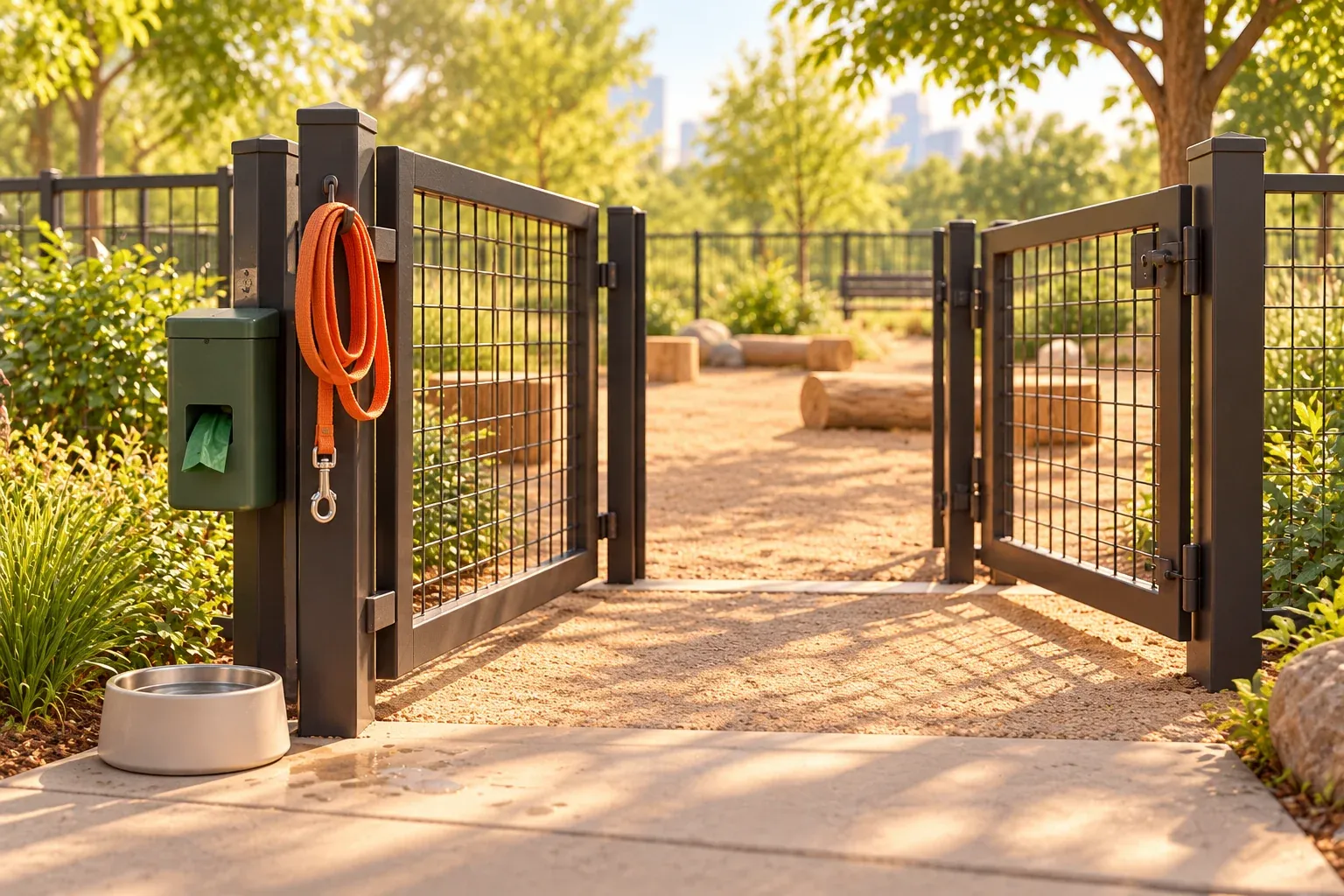
A Toronto park can have an off-leash area and plenty of grass where the leash must stay on. Find the boundary before letting your dog loose.
In Toronto, keep your dog leashed in public unless you are inside a designated off-leash area. Check the site’s boundaries and signs, supervise your dog and pick up waste. A fenced space doesn’t remove the owner’s responsibility for what happens inside it.
Where can a dog be off-leash in Toronto?
Dogs may be off-leash only in designated areas, not throughout the park. The City’s responsible dog ownership guidance applies the public leashing rule to sidewalks, roadways, schoolyards, beaches and parks.
Use the City’s off-leash areas map to find the intended location. Once there, read the posted rules and look at the actual boundary. Keep the leash on until you’re inside the designated area.
If a closure or unclear sign leaves you unsure, keep the leash on and choose another route. A map entry is useful for planning; it is not a reason to walk through a closed gate or assume an unmarked lawn is included.
What should you check before entering?
Look at your dog and the dogs inside before entering. A leashed walk may be better today.
Pause outside rather than releasing the leash while you sort out bags or read a sign. Keep enough attention on the entrance to prevent another dog slipping out as you enter. Follow the gate instructions at that site; not every enclosure has the same layout.
If the space is crowded, a dog is guarding the entrance, or you cannot comfortably supervise yours, take a leashed walk instead. Don’t ask the person taking the next shift to repeat a park visit just because it was written on yesterday’s plan.
What do control and cleanup mean inside the area?
Your dog remains your responsibility. The City’s off-leash guidance says dogs must not be left unattended and should stay within sight. Stay with your dog and watch them.
| Part of the outing | Check before moving on | If something is unclear |
|---|---|---|
| Approach | Leash attached; correct entrance | Stay leashed and read the signs |
| Entry | Gate handled without releasing other dogs | Wait for space at the entrance |
| Inside | Dog visible; interactions being supervised | Leash your dog and leave |
| Cleanup | Waste picked up and bagged | Use a permitted bin or carry it out |
| Exit | Leash attached before leaving the designated area | Pause inside while you secure it |
Toronto’s responsible ownership page says public dog waste must be picked up immediately. It directs owners to a Green Bin, or a garbage bin if a Green Bin isn’t available. Pick up waste inside the off-leash area, too.
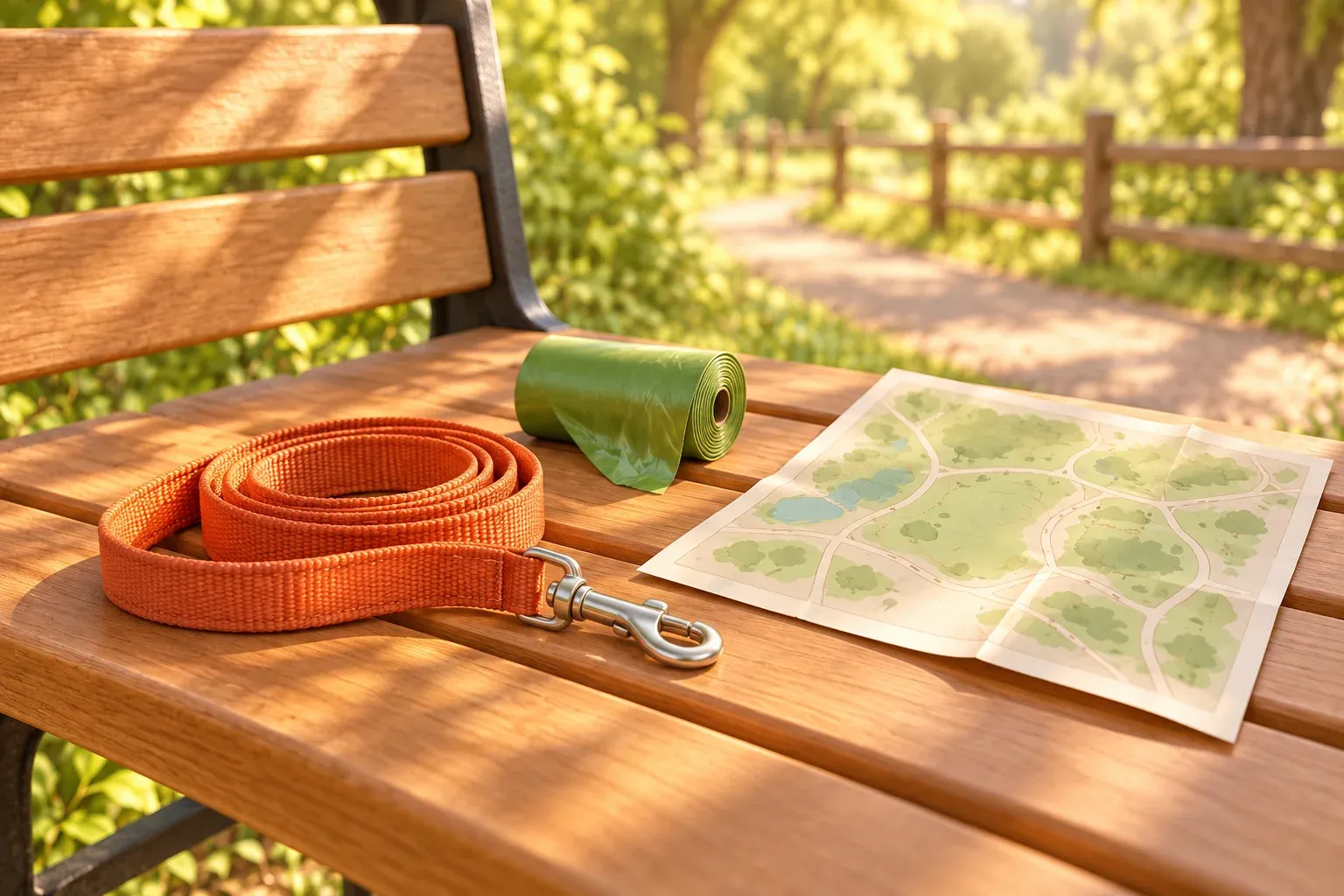
What about small-dog areas and beaches?
They have specific restrictions. Check the specific area rather than treating all off-leash locations as interchangeable. Toronto lists both a maximum of 20 pounds and a maximum shoulder height of 12 inches for its small-dog areas.
The City’s off-leash page also says dogs are not allowed on swimming beaches except between November 1 and March 31, with an exception for working service animals. Seasonal beach access and permission to remove a leash are separate questions. The general public leashing rule still matters.
Give the walker the exact location. “The park” is less helpful than the named area, the entrance you use and whether your dog meets that area’s restrictions. If another municipality is your destination, use its rules instead of borrowing Toronto’s.
What should a caregiver know before taking your dog?
Tell them whether off-leash time is part of the plan, which area you mean and when they should choose a leashed walk instead.
Leave a current contact number, the identification details they can use in an emergency and any relevant handling instructions agreed with your dog’s care team. Don’t rely on an app notification to communicate an important change just before the walker arrives.
Our sitter handoff guide covers the broader transfer of care. The lost-dog first-hour plan is worth keeping handy. The Toronto numbers to call are in lost dog in Toronto. If a paid walker takes your dog to an off-leash area with a group, check their Toronto dog walker permit first. Going by subway or streetcar? Pets on the TTC has the permitted hours and carrier rules. Keep this park decision in the same shared care plan, so the next person sees the current instruction rather than an old group-chat message.
Where Dana fits
Dana’s walks feature can record an outing, and shared care gives caregivers one place for the agreed plan. A recorded route won’t tell you where dogs may be off-leash. Check the City’s map and the signs on each visit.
Questions people ask
Can my dog be off-leash anywhere in a Toronto park?
No. Toronto requires dogs to be leashed in public except in designated dog off-leash areas. A park containing an off-leash area does not make the whole park off-leash.
Can I leave my dog alone inside the off-leash area?
No. The City's off-leash guidance says dogs must not be left unattended and should stay within sight. You're still responsible for your dog.
Are Toronto's small-dog areas open to every dog?
No. The City lists a maximum weight of 20 pounds and a maximum height of 12 inches at the shoulders for dogs using its small-dog areas. Check the signs at the actual site.