
Who fed the dog? Fixing shared pet care's oldest bug
Two people feed the dog, or nobody does. Why shared pet care fails on memory, and the two-part fix: log the action, sign it with who and when.

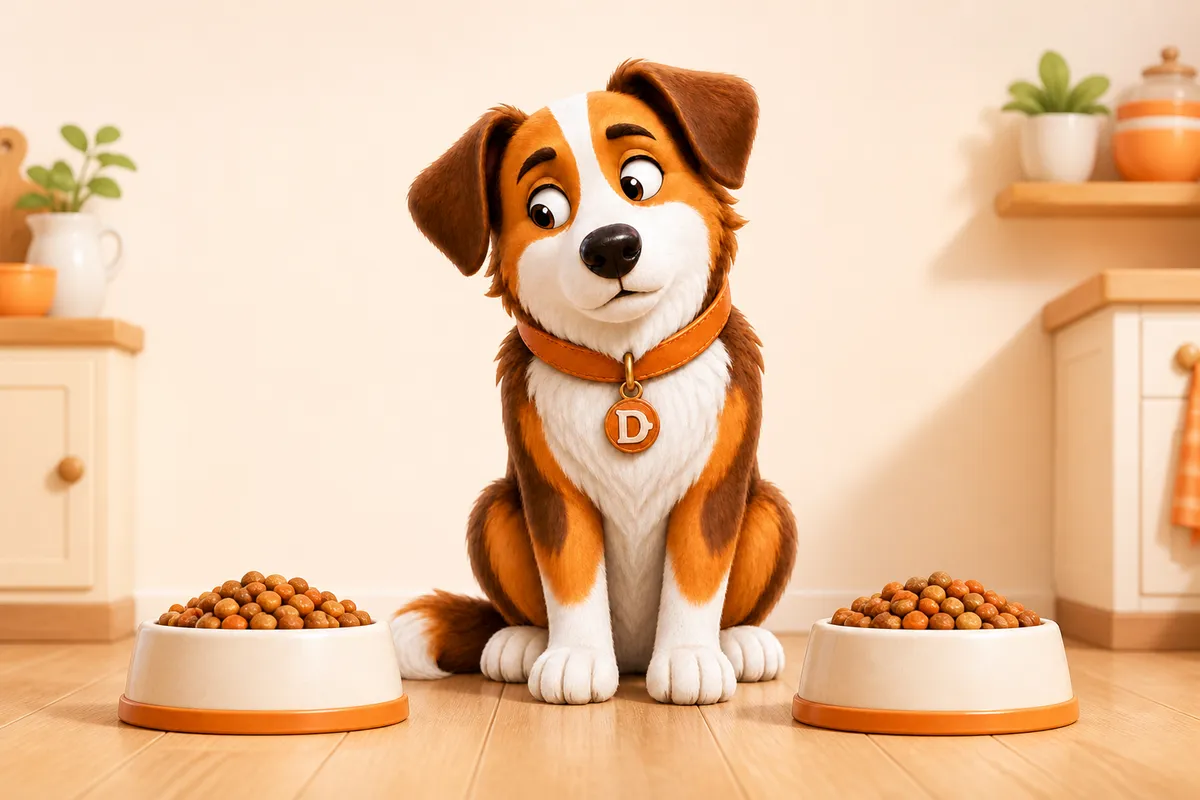
“Did you feed Charlie?” “I thought you did.” Somewhere in that pause, Charlie has either eaten twice or not at all, and he isn’t telling.
The fix is not better memory or a sterner house meeting. It’s a shared record: every feed, walk, and pill logged where the whole household can see it, signed with who did it and when. Once the record exists, the question disappears. You don’t ask, you look.
Why good households still double-feed the dog
Feeding fails in households full of people who love the dog, because love isn’t the missing part. It fails the same way in a flat where only one person owns the animal, which has its own set of things to agree on. Information is. The morning feed is invisible work: it happens in two minutes, leaves no trace beyond a slightly rounder dog, and each person’s evidence for “it’s handled” is a memory of some morning, not this one.
That produces the two classic failures. Double-doing: both of you feed him, because being generous with your own time feels safer than assuming the other person did it. Not-doing: both of you assume, and the bowl stays empty until the barking starts. A dog will forgive double breakfasts enthusiastically. Skipped insulin, doubled seizure medication, or a puppy’s missed meals are a different category: the same coordination bug with real stakes.
The group chat is not a record
Most households already have a fix, and it’s the group chat. It fails in three quiet ways:
- It records questions, not actions. “Did anyone feed him?” scrolls away; the answer lives in whoever happened to reply.
- It relies on prompting. The person who fed the dog has no reason to announce it, so the record only exists when someone got worried enough to ask.
- It has no state. A chat can’t show “today: breakfast done, pill pending.” You’d have to scroll and reconstruct it, so nobody does.
A fridge whiteboard beats the chat, because it has state, until someone’s at work, the sitter can’t find the marker, or the record you need is from last Tuesday.
What a real fix looks like
Two properties, and you need both:
The action is the log. Marking the feed done must be part of doing the feed: two taps while the kibble hits the bowl, not an extra chore reported later. Any system that separates doing from recording drifts back to memory within a week.
The log carries who and when. “Fed ✓” answers today’s question. “Fed by Sam, 7:42 AM” answers every question: tonight’s (“was that today or yesterday?”), the vet’s (“when was his last meal?”), and the household’s quiet one (“who actually does the mornings around here?”). Attribution isn’t surveillance. It’s what lets everyone stop keeping score in their heads.
With both properties in place, the reflex changes shape. Instead of texting the house, you check the record; instead of defending your memory, you point at the entry. Nobody has to be the household’s database anymore. The same record holds up with more than one pet to feed, and it is the backbone of a family pet care schedule.
Making it stick
A shared log survives on convenience, so cut every step you can: put logging one tap from the lock screen, pre-create the daily tasks so completing beats composing, and let a reminder stand down the moment anyone in the house handles the task. A reminder that nags about done work trains everyone to swipe it away. And when a log somebody is sure they made doesn’t show up, find out why the app isn’t syncing before anyone enters it twice. Whether an app does that last part is the quickest way to tell a household tool from a personal one, and it is one of the questions in free medication reminder apps.
And expect an adjustment week. The person who used to carry the whole schedule in their head has to trust the record; everyone else has to build the two-tap habit. The record wins because it’s less work than the old way, not because anyone was disciplined.
Where Dana fits
This bug is the reason Dana exists. Every log in Dana carries who and when automatically, the day’s tasks show done or pending to the whole care team, and a task completed by one caregiver quiets everyone else’s reminder. The full system (roles, invites, handoffs) is in our guide to sharing pet care, and if you are choosing between apps built around this exact problem, Dana vs Pawlo is the closest comparison on the site. The wider field is in the best pet care apps, compared.
Questions people ask
We genuinely cannot tell whether he was fed. What now?
Decide the rule before it happens rather than in the kitchen at 8 PM. For food, most households settle on a small portion or none at all and move on; for any medication, the fallback is your vet's call to make once, in advance, so nobody improvises a dose.
Does a shared log work if someone in the house will not use a phone?
It works as long as everybody can read it, even if only some people write to it. The value comes from the record existing and being current, so one person logging on behalf of another still removes the guessing, and the whiteboard stays useful for whoever is standing in the kitchen.
What about the dog walker or the neighbour who feeds him on Fridays?
Give them the narrowest access that covers their job and an end date on it. They need today's tasks and the routine, not the full history, and an entry signed with their name is what tells the household on Saturday morning that Friday was handled.
Does logging who did what turn into scorekeeping?
It replaces the scorekeeping that was already happening silently. Before the log, every person in the house is keeping a private tally they cannot check; afterwards there is one shared record, which is usually what ends the argument rather than starting it.